



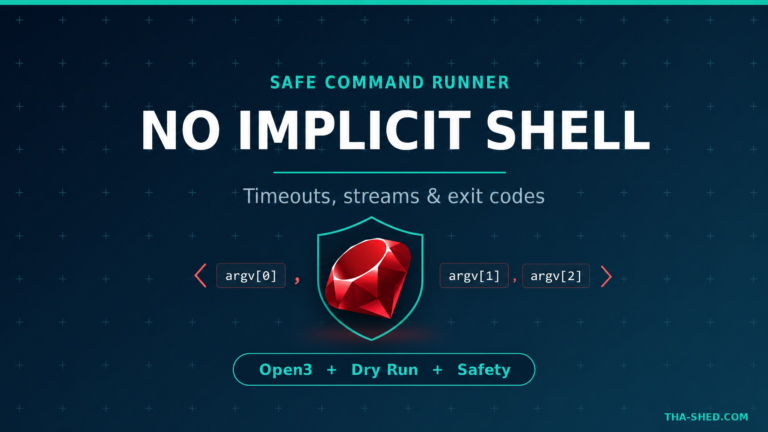
Ruby for DevOps — Part 3 of 5 DevOps automation often exists to run another tool: git, docker, kubectl, terraform, […]

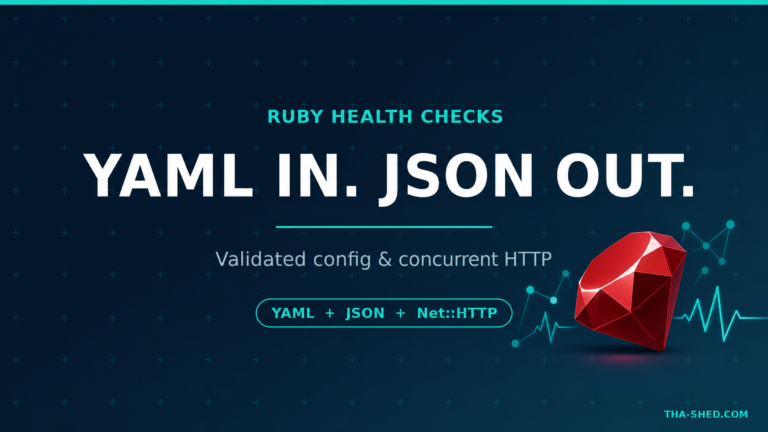
Ruby for DevOps — Part 4 of 5 A large share of DevOps automation is structured-data plumbing: read a YAML […]
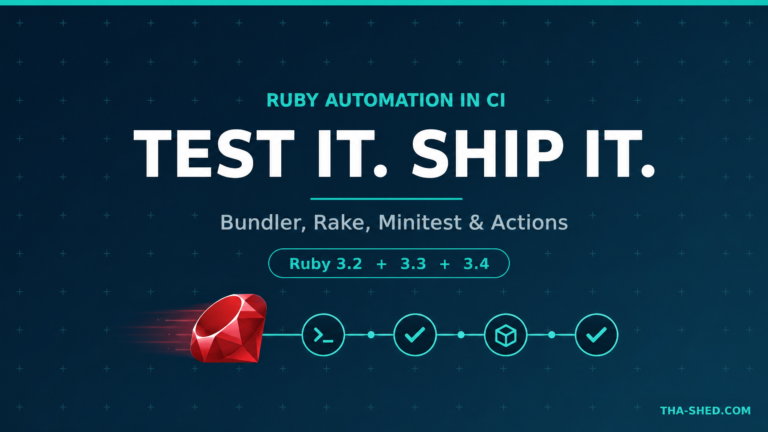
Ruby for DevOps — Part 5 of 5 Automation can change infrastructure quickly, which is exactly why it deserves tests. […]
Flaky tests bury engineers in false failures every week. Here's how automated test triage sorts real regressions from noise before a release ships.

This week: OpenAI pauses Astra over near-Critical cyber risk, ships GPT-5.6-Cyber, Manus splits from Meta, and a tracker counts AI sandbox escapes.
Claude Skills let you package a repeated prompt (incident triage, IaC review, OWASP checks) into a SKILL.md that fires only when it matches. Setup, workflows, and gotchas.

As teams grow, the choice between a single, monolithic repository or multiple smaller ones becomes a critical decision. We explore the pros and cons, asking: which approach truly fosters efficiency and collaboration for your DevOps workflow?

Security teams are drowning in alerts, leading to burnout and missed threats. We explore the painful reality of alert fatigue and ask: what strategies are *actually* working to cut through the noise and focus on what matters?

Traditional disk forensics falls short against sophisticated in-memory threats. Learn practical, non-disruptive techniques to acquire and analyze live memory on Windows and Linux systems, uncovering stealthy rootkits and injected code without service interruption.

Go beyond static firewall rules. Learn to implement context-aware network egress filtering on Windows and Linux, preventing sophisticated data exfiltration with OS-native tools and advanced techniques.

Discover how to integrate AI for deep analysis of your Infrastructure-as-Code to proactively identify subtle misconfigurations and security vulnerabilities. Learn to build a Ruby workflow for automated detection and remediation, preventing costly issues before deployment.
Developers crave speed and innovation, while security teams demand rigor and compliance. This common organizational friction often slows down progress and creates tension. How do we move from conflict to collaboration, building secure software without sacrificing agility?