
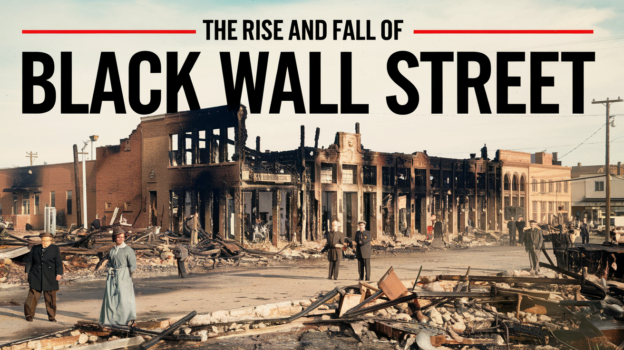
The Rise and Fall of Black Wall Street

By Educator
Categories: Black History
About Course
This in-depth exploration of Greenwood, Oklahoma’s “Black Wall Street” examines its remarkable rise, unprecedented prosperity, tragic destruction in the 1921 Tulsa Race Massacre, and lasting legacy. Through historical documents, survivor testimonies, and scholarly research, students will understand this pivotal chapter in American history.
Course Learning Objectives:
- Analyze the economic, social and cultural foundations of Greenwood
- Examine how Black Wall Street achieved extraordinary prosperity despite segregation
- Understand the causes and events of the 1921 Tulsa Race Massacre
- Evaluate the aftermath and long-term impacts on the Black community
- Apply lessons from Greenwood to contemporary discussions of racial justice and economic empowerment
Course Content
The Rise and Fall of Black Wall Street
-
Historical Context (1865–1905)
-
The Founders’ Vision
-
Early Development (1906–1915)
-
Economic Prosperity (1915–1921)
-
Business Ecosystem (1915–1921)
-
Cultural and Social Life (1915–1921)
-
America in the Early 20th Century
-
Tulsa’s Racial Geography
-
The Powder Keg
-
The Outbreak of Violence (May 31, 1921)
-
Destruction of Greenwood (June 1, 1921)
-
Human Toll and Immediate Aftermath
-
The Immediate Crisis (Summer 1921)
-
Rebuilding Against All Odds (1921–1925)
-
The Second Greenwood (1925–1950)
-
Erasing History (1921–1970)
-
Breaking the Silence (1970–1997)
-
Truth and Reconciliation Efforts (1997–Present)
-
Economic Impact Assessment
-
Cultural and Social Legacy
-
Contemporary Resonance
-
Lessons and Future Directions
Student Ratings & Reviews

No Review Yet